

Top Food Trends Kicking Off 2026: A Delicious Glimpse into the Future of Dining
As we enter 2026, the culinary world continues to evolve at
a breathtaking pace, driven by technological innovation, environmental urgency,
and a global craving for connection. This year’s food trends aren’t just about
new flavors, they represent a fundamental shift in how we grow, prepare, and
think about what’s on our plates. Here are the top trends defining the food
landscape in 2026.
1. Climate-Conscious Cuisine
Beyond just plant-based, food in 2026 is fully
“climate-labeled.” Consumers are making choices based on detailed
carbon and water footprint scores prominently displayed on menus and packaging.
This has led to the meteoric rise of:
- Forgotten
Grains: Drought-resistant crops like fonio, millet, and tepary
beans are starring on fine-dining menus. - Carbon-Capture
Cooking: Restaurants showcasing ingredients grown through
regenerative agriculture, often telling the story of the farm and its soil
health.
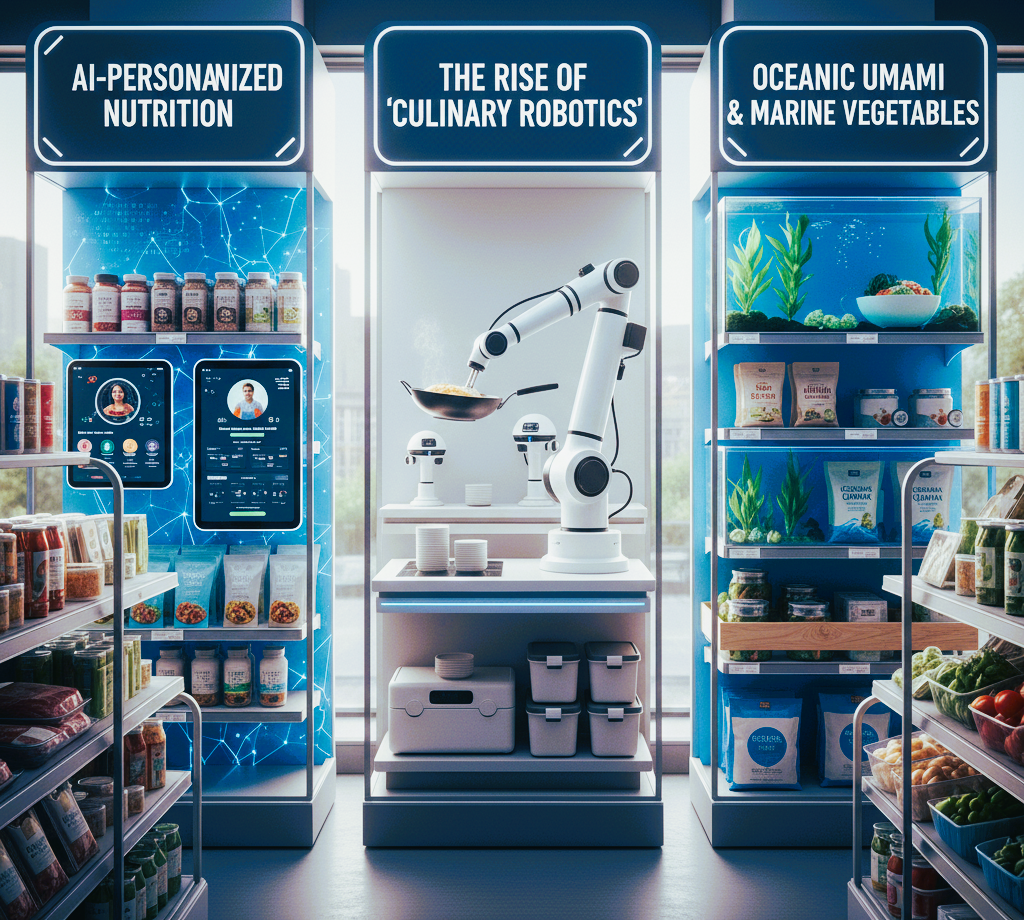
2. AI-Personalized Nutrition
Your dinner is now designed for your unique biology. With
the integration of AI and affordable gut microbiome testing, meal kits and
restaurant chains offer hyper-personalized menus. Apps analyze your health
data, stress levels, and even sleep patterns to recommend meals that optimize
your energy, mood, and digestion, making “food as medicine” a daily,
practical reality.
3. The Rise of “Culinary Robotics”
Automation moves from the factory to the kitchen counter.
Home chefs are adopting compact, countertop robotic arms (like advanced
sous-chefs) that can chop, stir, and plate with precision. In restaurants,
robotic stations handle repetitive tasks, allowing human chefs to focus on
creativity and complex flavor layering, elevating the dining experience while
addressing labor shortages.
4. Oceanic Umami & Marine Vegetables
With a focus on sustainable protein and new flavors, the
underwater garden is flourishing. Expect to see:
- Kelp
and Seaweed Beyond Sushi: Kelp noodles, dulse bacon, and
seaweed-based broths are pantry staples. - Fin-Free
Fish: Lab-grown tuna and salmon have hit mainstream markets,
offering identical taste and texture without the environmental cost, often
served alongside sustainably harvested real seafood in a new
“blended” approach.
5. Hyper-Fermentation & Funky Flavors
The fermentation revolution enters its sophisticated second
wave. Moving beyond kombucha and kimchi, chefs are experimenting with
multi-stage, controlled ferments to create entirely new categories of taste:
- Fermented
Fruits and Legumes: Creating complex, cheese-like flavors without
dairy. - House-Crafted
Koji: Used not just for miso, but to break down and transform
nuts, seeds, and grains into rich, savory pastes and sauces.
6. Zero-Waste, Full-Flavor Dining
The ultimate test of culinary skill is now creating
spectacular dishes from what was once trash. Trendsetting restaurants have
eliminated bins, not just by composting, but by innovating with:
- Upcycled
Ingredients: Breadfruit flour from unused fruit, pulps from
nut-milks turned into “meats,” and spent grain from breweries
transformed into sweet and savory baked goods. - Nose-to-Tail,
Root-to-Fruit: This ethos is applied to every ingredient, with
menus listing the utilization percentage of each plant or animal.
7. Sensorial & Immersive Dining
Dining becomes a multi-sensory journey. Advanced projection
mapping, synchronized soundscapes, and controlled scent diffusion are used not
as gimmicks, but to enhance and alter the perception of taste and texture. A
simple dish of roasted carrots can become a walk through an autumn forest,
deepening the emotional connection to the food.
8. “Alt-Sweet” Takes Over
The war on refined sugar is won by a new generation of
natural sweeteners that offer functional benefits. Look for:
- Allulose
and Monk Fruit Blends: Providing the exact bake and mouthfeel of
sugar with minimal calories. - Sweetened
with Fiber: New products use upcycled date or apple fiber to
sweeten while boosting the gut-health quotient of desserts and snacks.
The overarching theme for 2026 is intentional
integration. Technology, sustainability, and health are no longer separate
niches; they are seamlessly woven into the fabric of our food culture. The
result is a dining scene that is more personalized, responsible, and
adventurous than ever before. It’s a future where every bite tells a story of
innovation and care—for our bodies, our communities, and our planet. Bon
appétit to the future!