In 2026, the electric vehicle market evolved from a niche alternative to a mainstream automotive segment with options for nearly every driver. The convergence of improved battery technology expanded charging infrastructure, and increased consumer acceptance has created a competitive landscape where legacy automakers and EV-only companies are pushing boundaries. Here’s how the leading contenders compare across key categories for the 2026 model year.
Luxury Performance Segment
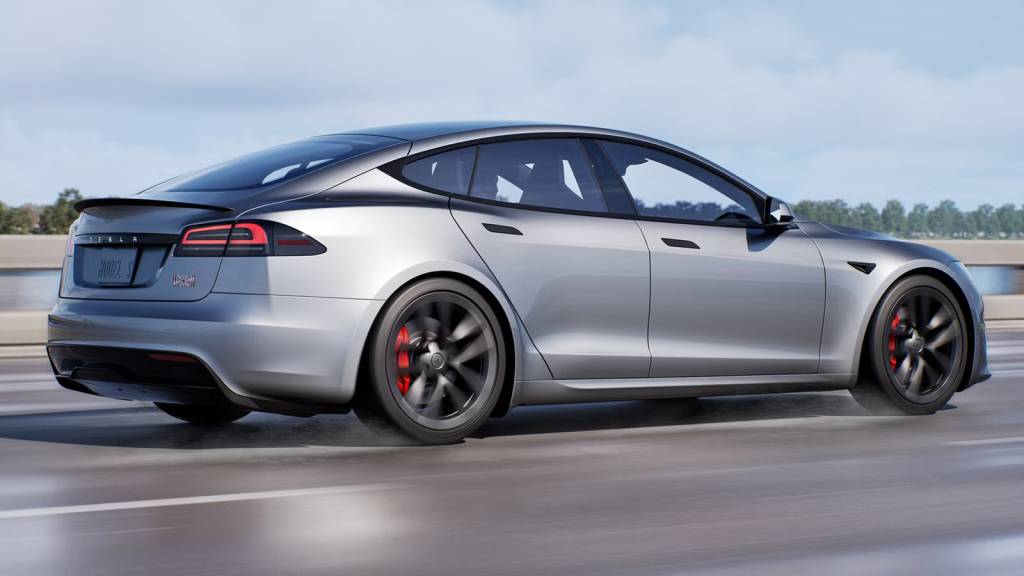
Tesla Model S Plaid+
- Range: Projected 450+ miles
- 0-60 mph: Under 1.9 seconds
- Standout Feature: Tri-motor setup with torque vectoring and next-generation 4680 battery cells
- Price Point: $115,000+
- Consideration: Still the benchmark for acceleration, but facing increasing competition in interior refinement and build quality.
Lucid Air Sapphire
- Range: 465+ miles
- 0-60 mph: 1.89 seconds
- Standout Feature: Exceptional interior luxury with executive rear seating option
- Price Point: $125,000+
- Consideration: The luxury alternative to Tesla’s minimalism, with superior cabin materials and space efficiency.
Porsche Taycan Turbo GT
- Range: 365 miles (estimated)
- 0-60 mph: 2.1 seconds
- Standout Feature: Unmatched handling dynamics and track performance
- Price Point: $200,000+
- Consideration: The driver’s choice for those prioritizing Porsche’s legendary chassis engineering over maximum range.
Premium Family & Utility
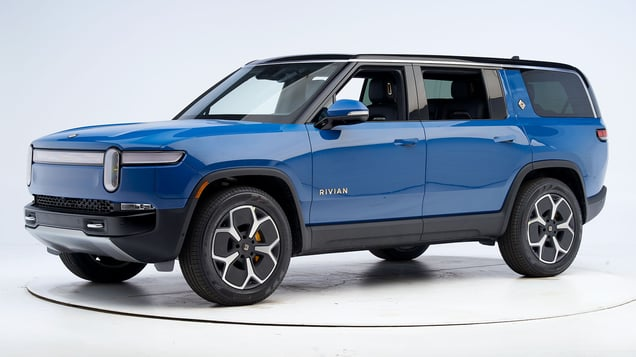
Rivian R1S
- Range: 400+ miles
- Standout Feature: True off-road capability with stadium seating for 7
- Innovation: Vehicle-to-home bidirectional charging standard
- Price Point: $85,000+
- Consideration: The most capable electric SUV for adventure families, though interior tech is less integrated than some competitors.
Mercedes-Benz EQE SUV
- Range: 350 miles
- Standout Feature: Hyper screen dashboard and Level 3 autonomous capability on approved highways
- Price Point: $82,000+
- Consideration: Superior interior ambiance and automated driving features, though efficiency lags behind some competitors.
Kia EV9 Long Range
- Range: 380 miles
- Standout Feature: Swiveling second-row seats and exceptional value proposition
- Price Point: $72,000+
- Consideration: The most focused family configuration options with Kia’s industry-leading warranty.
Mainstream & Affordable
Tesla Model 3 Highland
- Range: 350 miles
- Standout Feature: Refreshed design with improved cabin materials and ventilated seats
- Innovation: First to incorporate Tesla’s next-gen vision-only autonomy system
- Price Point: $42,000+
- Consideration: Still the charging network king, but facing stiff competition in ride comfort and cabin quietness.
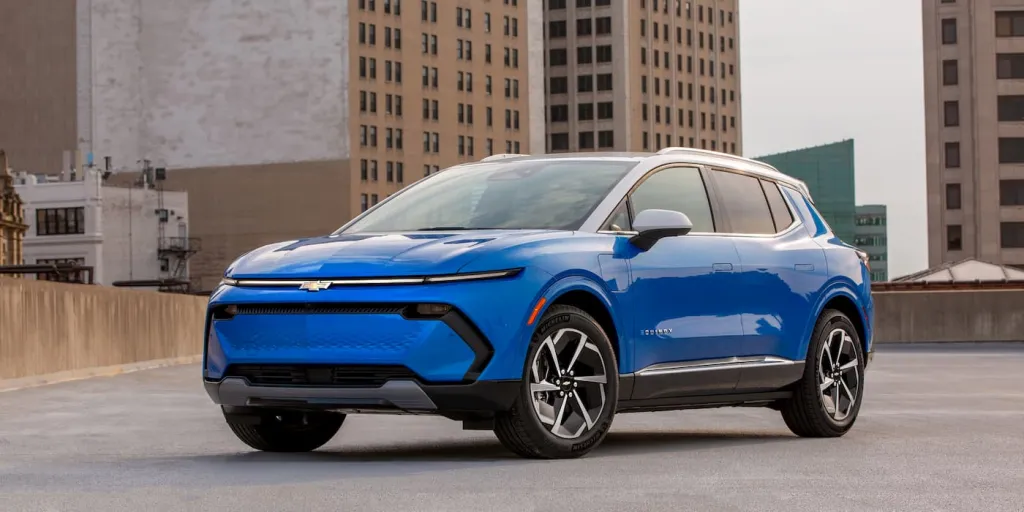
Chevrolet Equinox EV
- Range: 320 miles
- Standout Feature: Under $35,000 with tax credits, one-pedal driving with regenerative braking
- Price Point: $34,000+
- Consideration: The true mass-market EV with conventional SUV styling that appeals to traditional crossover buyers.
Volkswagen ID.4 Pro
Range: 330 miles
Standout Feature: Three years of free fast charging, intuitive infotainment after 2025 updates
Price Point: $40,000+
Consideration: Well-rounded but unexceptional, the “Camry” of EVs with solid build quality and widespread dealer support.
Emerging Technologies to Consider
Battery Advancements: In 2026, several manufacturers will offer silicon-anode or semi-solid-state batteries providing faster charging (10-80% in under 15 minutes) and improved cold-weather performance.
Charging Standards: The NACS (Tesla) plug has become the North American standard, with adapters available for CCS vehicles. Charging infrastructure has expanded dramatically, though reliability still varies by network.
Autonomy: Tesla, Mercedes, and GM lead in Level 3 capabilities, though geofenced to limited-access highways in most jurisdictions.
The Verdict
Choosing a 2026 EV comes down to priorities:
- Range & Charging Anxiety: Lucid and Tesla lead in efficiency and network reliability.
- Family Flexibility: Rivian R1S and Kia EV9 offer the most innovative interior configurations.
- Value Proposition: Chevrolet and Volkswagen deliver the most accessible pricing.
- Driving Dynamics: Porsche and BMW (i4 M50) maintain the traditional performance edge.
- Tech Integration: Tesla and Mercedes offer the most comprehensive digital ecosystems.
The 2026 EV market demonstrates that electric vehicles are no longer just about environmental consciousness they compete directly with internal combustion vehicles on performance, luxury, utility, and value. With most manufacturers committing to all-electric lineups by 2030, the 2026 models represent the maturation of a technology that has moved firmly into the automotive mainstream.